Specialty Insurance

Bonds (Bid, Performance & Advance Payment)

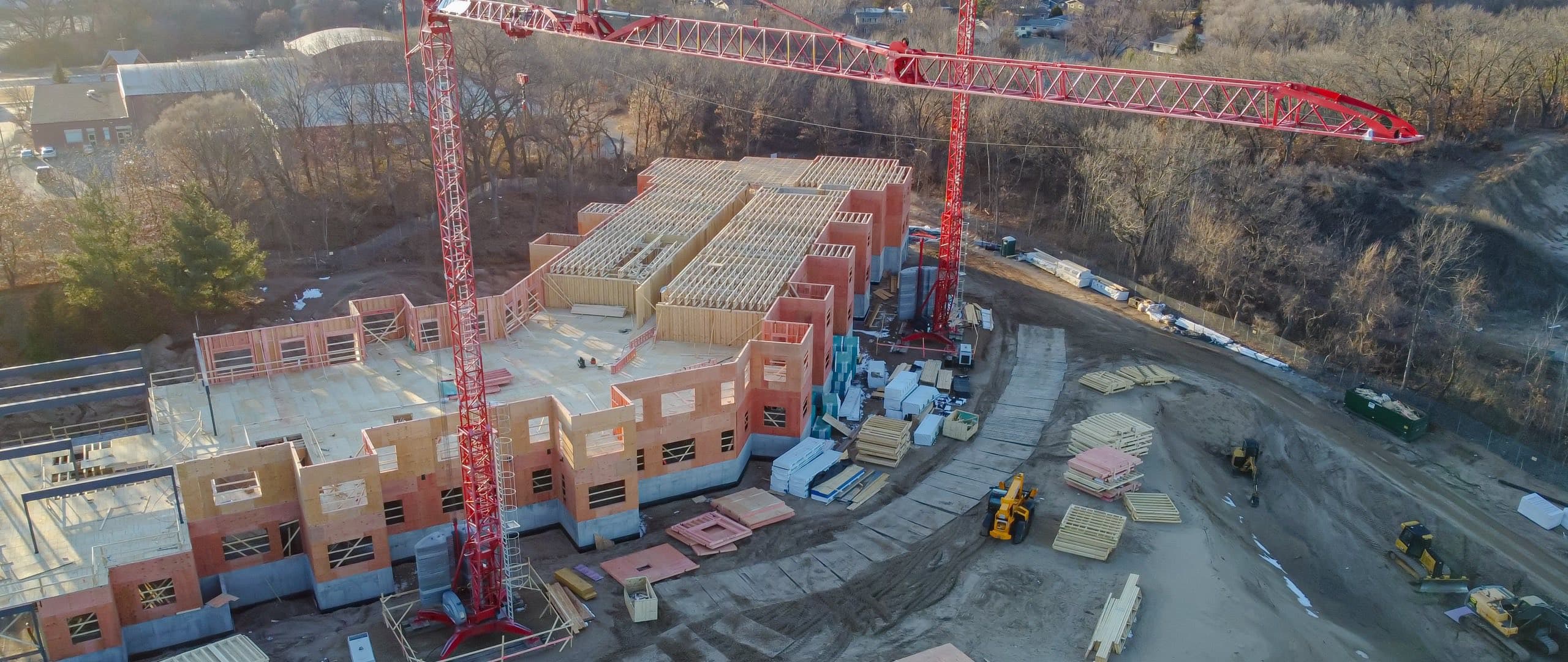
Financial-guarantee bonds for government tenders, construction contracts, supply agreements, and customs obligations.
Bid + performance bondsAdvance payment guaranteesGovernment tender readyBank-rated underwriters
Bonds (Bid, Performance & Advance Payment)
Tender
Compliant Bonds
Bank-Rated
Underwriters
0+
Years Experience
0+
Underwriter Partners
0%
Claims Paid 2024
0.0
Google Rating

An insurance bond is a financial guarantee an insurer issues to a beneficiary (usually a procuring entity) on behalf of a contractor or supplier, so that cash does not have to be locked up at the bank. In Kenya they are needed by contractors bidding for government, county, and parastatal tenders, suppliers under supply agreements, and importers meeting KRA obligations. The main types are the bid bond (guaranteeing you will sign the contract if awarded), the performance bond (guaranteeing delivery to contract), the advance-payment bond (guaranteeing repayment of a mobilisation advance), and customs bonds (guaranteeing duties and taxes to KRA). Bond rates are underwritten case by case on your financials, so Vike connects you directly with our specialty bonds team.

  • Bid bond: guarantees you will sign the contract if awarded
  • Performance bond: guarantees delivery to the contract terms
  • Advance-payment bond: guarantees repayment of a mobilisation advance
  • Customs bonds: guarantee duties and taxes to KRA
  • Frees up working capital versus a cash-backed bank guarantee

Insurance bonds are financial guarantees provided by an insurer to a beneficiary (typically a public-sector buyer or contracting authority) on behalf of a principal (a contractor or supplier). If the principal fails to meet the underlying obligation, bidding, performing, repaying an advance, or paying customs. The insurer pays the beneficiary up to the bond limit, then pursues recovery from the principal. Bonds free up the contractor's working capital that would otherwise be tied up in cash deposits or bank guarantees.

Vike issues bonds across the full Kenyan tender ecosystem: government tenders, county procurements, parastatal contracts, NGO supply agreements, KRA customs bonds, and private sector contract bonds. Most bonds we issue are in place within 48 hours of complete application; complex performance bonds (above KES 50M) typically take 5–7 working days with credit underwriting.

What It Covers

  • Bid bonds: guarantees the bidder will sign the contract if awarded

  • Performance bonds: guarantees the contractor will perform per the contract

  • Advance payment bonds: guarantees repayment of advances if the contract fails

  • Retention bonds: releases retention monies in exchange for a bond guarantee

  • Customs bonds: guarantees payment of duties and taxes for KRA

  • Supply bonds: guarantees delivery under supply agreements

  • Court bonds: Bankruptcy, court-administered, and probate bonds

  • Counter-guarantees against international tenders (with reinsurance backing)

Who It's For

  • Contractors bidding for public-sector and parastatal tenders

  • Suppliers under government and corporate supply agreements

  • Importers needing KRA customs and excise bonds

  • Construction and engineering firms requiring contract bonds

  • Anyone needing to free up cash that would otherwise back a bank guarantee

Types We Cover

Each profile is rated and underwritten differently. Talk to us so we can match your specific situation.

Bid Bond

Typically 2% of the tender value, validity period to the tender's award decision (usually 90–180 days). Forfeitable if the bidder fails to sign the contract on award. Speed is critical. Most bid bonds are needed within 48 hours.

Performance Bond

Typically 10% of the contract value, validity to contract completion plus retention period. Replaces or supplements cash retention and is the largest bond category by value.

Advance Payment Bond

Equal to the amount of advance paid by the buyer. Reduces as the contractor delivers and the advance is amortised against deliveries. Common in supply and construction contracts with mobilisation payments.

Customs / KRA Bond

Guarantees the eventual payment of duties and taxes on goods imported under bond, typically used for raw materials destined for export, warehoused goods, or transit cargo. Standard product for Kenyan importers.

Court / Statutory Bonds

Specialist bonds required by court orders. Administration of estates, bankruptcy, customs disputes, etc. Issued on individual review with appropriate counter-indemnities from the principal.

Real-World Scenarios

Bidding for a county government supply tender

A KES 80M tender requires a 2% bid bond. KES 1.6M. Vike issues the bond within 48 hours against the supplier's signed counter-indemnity. The supplier preserves working capital for the contract execution itself rather than tying it up at the bank.

Performance bond on a road construction contract

A KES 600M civil works contract requires a 10% performance bond. KES 60M. Vike underwrites the contractor's financial standing, technical capability, and project plan, then issues the bond. Premium is typically 1.5–4% per annum of the bond value.

KRA customs bond for an exporter

An export-focused manufacturer needs a KES 30M customs bond covering imported raw materials destined for re-export as finished goods. Vike places the bond and handles KRA filings; the importer's working capital is preserved for production.

Optional Benefits & Add-ons

Multi-bond facility for active contractors (one master line)

Cross-border bond capacity into EAC and COMESA

Counter-indemnity structuring with personal and corporate guarantors

Same-day issuance for routine bid bonds (under defined values)

Specialist court bond capacity through reinsurance

Integration with bank facilities for combined bonding and credit

Availability varies by underwriter. Our advisors will confirm what is available on your chosen policy.

Frequently Asked Questions

How is an insurance bond different from a bank guarantee?
Functionally similar: both guarantee performance to a beneficiary. Practically, bank guarantees usually require 100% cash collateral; insurance bonds are issued against the principal's credit standing and a counter-indemnity, freeing up working capital. Premium replaces lock-up of cash.
How quickly can I get a bid bond?
For repeat clients on our facility, 4–24 hours. For first-time clients with no prior bonds, 48–72 hours once KYC, audited accounts, and a signed counter-indemnity are complete. We tell clients before they start tendering what their realistic turnaround will be.
What underwriting do you do for a performance bond?
Audited financial statements (typically 3 years), management accounts, tax compliance certificate, evidence of technical capacity, and the project plan. For larger bonds we also review the contract wording. Bonds against weak balance sheets or implausible delivery plans don't get issued, protecting both the insurer and ultimately the contractor from over-commitment.
What happens if the beneficiary calls the bond?
The insurer pays the beneficiary the called amount and immediately recovers from the principal under the counter-indemnity. Disputed calls (where the principal believes the call is unjustified) can sometimes be deferred via court injunction, but bonds are generally 'first demand' instruments designed to pay on call.
Are bond premiums refundable?
Premium is earned over the bond's validity period and is not refundable on early cancellation or contract completion. We structure validity tightly to actual contract duration so principals don't pay for unused periods.
What is a bid bond and when does a Kenyan tender require one?
A bid bond (or tender security) is a guarantee that, if you win the tender, you will sign the contract and provide the required performance security. Most Kenyan government, county, and parastatal tenders require it as a condition of a compliant bid, commonly around 2% of the tender value, valid to the award decision. If a successful bidder walks away, the beneficiary can call the bond, so it protects the procuring entity against frivolous bids.
How fast can a bid bond be arranged in Kenya?
For clients already on a bonding facility, a routine bid bond can typically be arranged within about 48 hours, and often faster, once the tender document and a signed counter-indemnity are in. A ~48-hour turnaround is typical rather than guaranteed: a first-time applicant with no prior bonds needs KYC and audited accounts reviewed first, so we tell you your realistic turnaround before you commit to a tender deadline.
What is the difference between a performance bond and a bank guarantee?
Both guarantee performance to a beneficiary, so a procuring entity generally accepts either. The practical difference is collateral: a bank guarantee usually ties up cash or a facility limit equal to the guarantee, while an insurance performance bond is issued against your credit standing and a counter-indemnity, leaving your working capital and banking lines free for the contract itself. The premium replaces the cost of locking up cash.
What is an advance-payment bond and when is it needed?
An advance-payment bond guarantees repayment of a mobilisation advance a buyer pays you at the start of a contract, in case the contract is not delivered. It is usually equal to the advance and reduces as you deliver and the advance is amortised against your work. Supply and construction contracts with mobilisation payments almost always require one before the advance is released.
What is a customs bond and who needs one in Kenya?
A customs bond guarantees to KRA the eventual payment of duties and taxes on goods moved under bond, for example raw materials imported for re-export, warehoused goods, or transit cargo passing through Kenya. Importers, clearing agents, and bonded-warehouse operators use them to defer or secure duty obligations without paying the full amount up front, preserving working capital for production.
What documents are needed for a surety bond in Kenya?
For most bonds we need the tender or contract document, your company registration and KRA tax compliance certificate, recent audited financial statements and management accounts, and a signed counter-indemnity (often supported by personal or corporate guarantors). Larger performance bonds also involve a review of the contract wording and your technical capacity. Send what you have on WhatsApp and our bonds team will confirm the exact list for your bond type.

Quotes from Kenya's leading underwriters
First Assurance
CIC General
Jubilee Allianz
Heritage Insurance
Britam
ICEA Lion
Madison Insurance
Monarch

Ready to get covered?

Our advisors will compare quotes and find the best fit for you, at no extra cost.

Get a Bond Quote
Footer banner
Vike Insurance

Your trusted insurance advisor with 30+ years of experience.

Nairobi HQ

2nd Floor, Krishna Centre

Woodvale Grove, Westlands

Nairobi, Kenya

Nakuru Office

Next to Taidy's Suites

Oginga Odinga Ave., Biashara

Nakuru, Kenya

IRA Kenya

IRA Regulated

Insurance Regulatory Authority

M-Pesa payments coming soon

M-Pesa payments coming soon

© 2026Vike Insurance Brokers. All rights reserved.  Privacy Policy · Terms of Use · Privacy settings