
What Does SHIF Actually Cover? A Clear Guide to Kenya's New Social Health Insurance Fund
Quick answer
SHIF covers outpatient services (consultations, diagnostics, medications), inpatient care (admissions, surgery, nursing), maternity care, emergency treatment, chronic disease management, and surgical procedures at empanelled facilities. However, it has caps on certain benefits and doesn't cover treatment at non-empanelled private facilities, most dental and optical services, alternative medicine, cosmetic procedures, or medical treatment abroad.
You've been paying your monthly contributions faithfully. You've heard about the shift from NHIF to SHA (Social Health Authority). Maybe you've even registered for SHIF (Social Health Insurance Fund). But when you or a family member actually needs medical care, do you know exactly what's covered?
If you're confused, you're not alone. Thousands of Kenyans are navigating this transition right now, trying to understand what the new system means for their healthcare and their wallets. Let's break it down in plain language.
What Is SHIF, Really?
The Social Health Insurance Fund (SHIF) is the new mandatory health insurance scheme that replaced NHIF in 2024. It's managed by the Social Health Authority (SHA) and funded through monthly contributions deducted from your salary or paid directly if you're self-employed.
Think of it as the government's baseline health cover for all Kenyans — designed to ensure everyone has access to essential healthcare services without facing financial hardship.
What SHIF Actually Covers
SHIF provides cover for a comprehensive range of healthcare services at empanelled facilities (hospitals and clinics approved to offer services under the scheme). Here's what's included:
Outpatient Services
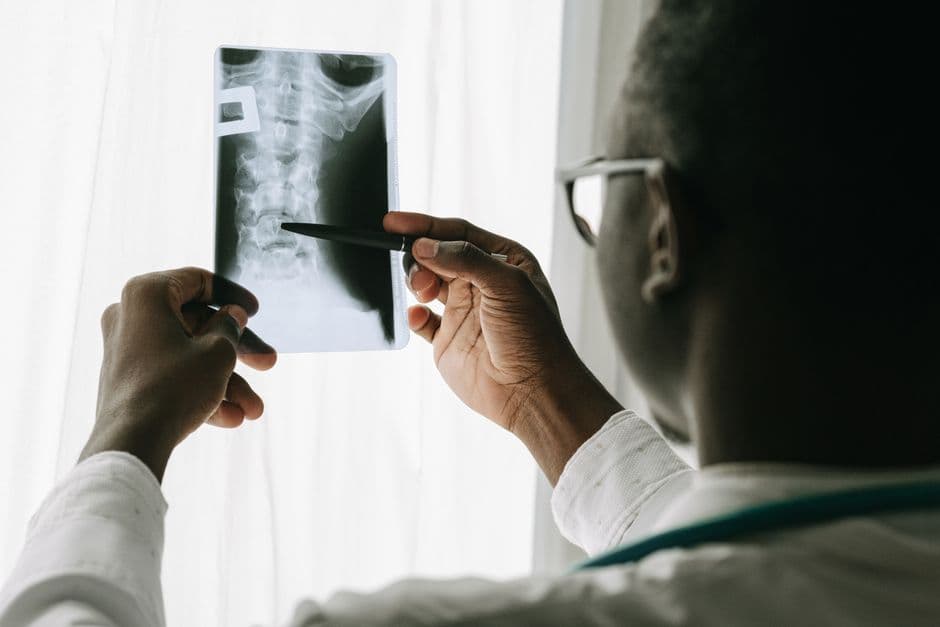
This covers your regular doctor visits, consultations, basic diagnostics like X-rays and lab tests, and prescribed medications. Whether you're treating malaria, managing diabetes, or getting a routine check-up, SHIF should cover these services at approved facilities.
Inpatient Services
If you need to be admitted to hospital — whether for surgery, childbirth, or treatment of an illness — SHIF covers bed charges, doctor's fees, nursing care, medications administered during your stay, and theatre costs for operations.
Maternity Care
Expectant mothers get cover for antenatal visits, delivery (both normal and caesarean), and postnatal care. This is a significant benefit that helps families manage the costs of welcoming a new baby.
Emergency Care
Accidents happen. SHIF covers emergency treatment, including ambulance services in some cases, initial stabilisation, and emergency procedures.
Chronic Disease Management
If you're living with conditions like diabetes, hypertension, asthma, or heart disease, SHIF provides cover for ongoing management, including consultations and essential medications.
Surgical Procedures
A wide range of surgical procedures are covered, from minor operations to major surgeries, when deemed medically necessary.
The Important Limits and Exclusions
Here's where it gets tricky — and why many Kenyans are discovering that SHIF alone may not be enough.
While SHIF offers broad coverage, there are caps (maximum limits) on certain benefits. For example, there may be limits on the room type you can access (you might be assigned a general ward rather than a private room), limits on certain procedures, or waiting periods for specific conditions.
SHIF also typically doesn't cover:
- Treatment at non-empanelled private facilities (if your preferred hospital isn't on the approved list, you'll pay out of pocket)
- Certain specialised treatments or advanced procedures
- Dental care beyond basic extractions
- Optical services (eye tests, glasses, contact lenses)
- Some cosmetic procedures
- Alternative medicine and therapies
- Medical treatment abroad
The exact limits and exclusions can be complex, and they're subject to change as the scheme evolves.
SHIF vs. Private Health Insurance: What's the Difference?
This is the question we hear most often at Vike Insurance: "I'm already paying for SHIF — do I still need private health insurance?"
The honest answer? It depends on your needs, your family situation, and what level of healthcare access you want.
SHIF provides essential baseline cover — think of it as your safety net. Private health insurance, on the other hand, typically offers:
- Wider hospital choice: Access to a broader network of private hospitals, including top-tier facilities
- Higher benefit limits: More generous caps on room types, procedures, and specialist consultations
- Additional benefits: Cover for outpatient services, dental, optical, maternity top-ups, and even overseas treatment
- Faster access: Shorter waiting times and easier appointment booking at private facilities
- Family cover: Comprehensive packages that cover your spouse and children under one policy
Different providers in the market offer varying levels of cover, with premiums (monthly costs) that reflect the breadth of benefits. Some policies are designed to work alongside SHIF, topping up where the government scheme has limits.
Making Sense of Your Options
Here's where things get overwhelming. You're juggling SHIF contributions, trying to understand what's actually covered, and now you're wondering whether you need additional private cover. How do you know what's right for you?
This is where working with an independent broker like Vike Insurance makes a real difference. We're not tied to any single insurance provider — we compare policies across the entire Kenyan market on your behalf. We look at what SHIF covers for you, identify the gaps, and match you with private health insurance that fills those gaps without paying for overlap you don't need.
Maybe you need comprehensive family cover with access to specific hospitals. Maybe you just want a top-up for outpatient and dental. Maybe you're young and healthy and SHIF is genuinely enough for now. We help you make that decision with confidence, based on your actual situation — not a sales pitch.
Questions to Ask Yourself
As you think about your health cover needs, consider:
- Are the hospitals and clinics I prefer empanelled under SHIF?
- Do I have young children who need regular paediatrician visits?
- Am I managing any chronic conditions that require specialist care?
- Would I want access to a private room if I'm hospitalised?
- Do I need dental and optical cover for my family?
- Can I afford unexpected medical bills if SHIF's limits are exceeded?
Your answers will guide whether SHIF alone is sufficient or whether additional private cover makes sense for your peace of mind and financial security.
The Bottom Line
SHIF is a significant step forward in making healthcare accessible to all Kenyans. It provides essential cover that protects you from catastrophic medical costs. But it's not unlimited, and it may not cover everything you need at the facilities you prefer.
Understanding what SHIF covers — and what it doesn't — is the first step. The second step is honestly assessing your family's health needs and financial situation. And the third step? Getting expert, independent advice that compares all your options.
We understand the Kenyan market, the unique challenges families face, and how to navigate both public and private health insurance systems. We simplify the complexity so you can make informed decisions about your family's health cover.
Ready to understand your health cover options clearly? Get in touch with the team at Vike Insurance for a free, no-obligation consultation. We'll review what SHIF covers for you, compare private health insurance policies across the market, and help you find the right cover at the best price — because your health and your family's wellbeing deserve that clarity.
Contact Vike Insurance today — let's find the cover that truly works for you.
Share this article
Get a free health insurance quote in 2 minutes
Compare inpatient and outpatient plans from Kenya’s leading medical underwriters.
Start Free Quote →Frequently asked questions
What is the difference between SHIF and private health insurance in Kenya?
Does SHIF cover maternity and childbirth costs?
What medical services are not covered by SHIF?
Does SHIF cover chronic diseases like diabetes and hypertension?
Can I use SHIF at any hospital in Kenya?
Related Content
 health insurance
How to Use Your Health Insurance Card at a Hospital in Kenya: A Step-by-Step Guide
Read → health insurance
What Are Waiting Periods in Health Insurance and How Do They Affect You?
Read → health insurance