
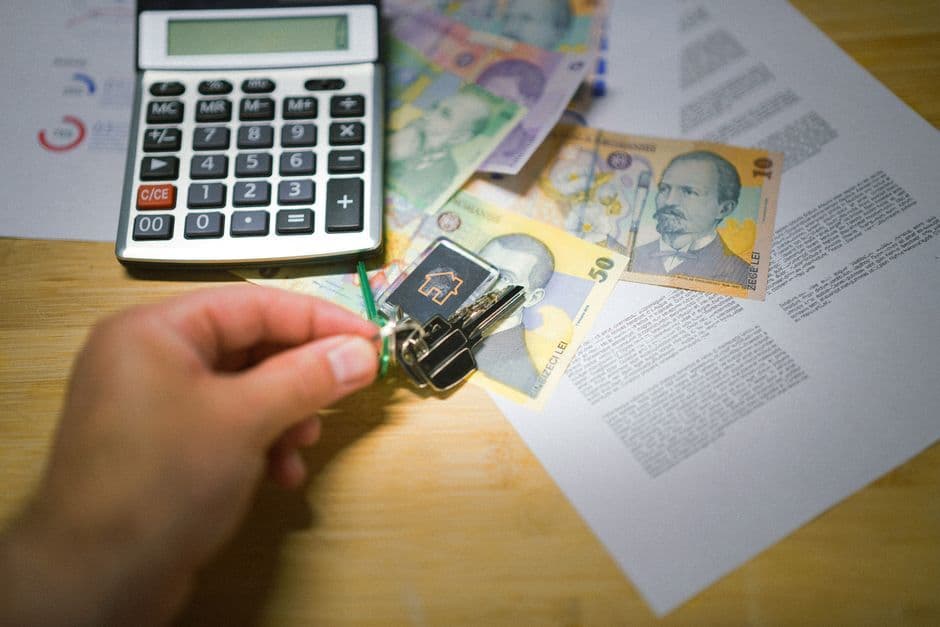
Insurance Questions for a Community Group Hiring Equipment in Kenya
Quick answer
When your community group hires equipment in Kenya, responsibility for damage or loss typically falls on you as the hirer, not the rental company. Most rental agreements include clauses making you liable for the full replacement cost if equipment is damaged, stolen, or lost during your event. You can protect your group by checking if the rental company's insurance covers hired-out equipment, asking for proof of cover, or arranging your own short-term insurance policy through a broker.
Insurance Questions for a Community Group Hiring Equipment in Kenya
You're organising a fundraiser for your church, a graduation party for your chama, or a community sports day in your estate. The event is coming together beautifully, but you need to hire tents, chairs, a sound system, maybe even a bouncing castle for the kids. The rental company sends over a contract, and buried in the fine print is a line that makes you pause: "The hirer is responsible for any loss or damage to equipment during the hire period."
Suddenly, you're wondering: what if something gets stolen? What if the tent tears in the wind? Who pays? Does the rental company's insurance cover this, or are you and your group on the hook?
If you've ever asked yourself these questions, you're not alone. Many community group organisers in Kenya find themselves in this exact position, unsure about who's responsible for hired equipment and what insurance cover, if any, applies. Let's break it down in plain language so you can protect your group and enjoy your event with peace of mind.
Who is responsible if hired equipment gets damaged or stolen in Kenya?
In most cases, you, the hirer, are responsible. When you sign a rental agreement in Kenya, you're typically agreeing to return the equipment in the same condition you received it. If something is damaged, lost, or stolen while in your care, the rental company will hold you liable for the repair or replacement cost.
This is standard practice across the industry, whether you're hiring from a large events company in Nairobi or a small supplier in your local town. The logic is simple: once the equipment leaves the owner's premises, they have no control over how it's used, stored, or secured. So the responsibility shifts to you.
The challenge is that this can add up fast. A stolen PA system might cost Ksh 150,000 to replace. A damaged projector could be Ksh 80,000. If your group doesn't have insurance, you'll need to cover these costs out of pocket, often through emergency contributions from members.
Does the rental company's insurance cover equipment they hire out?
Not always, and this is a critical question to ask before you sign anything. Many rental companies do have insurance, but their policies often only cover equipment while it's on their premises, in storage, or in transit under their control. Once the equipment is handed over to you, their cover may stop.
Some rental companies do arrange insurance that covers hired-out equipment, but this isn't automatic. Different providers offer varying levels of cover, and some may pass the cost of that insurance on to you as part of the hire fee.
This is why it's essential to ask the rental company directly: "Does your insurance cover this equipment while it's with us?" Request written confirmation. If they say no, or if they're not sure, then you know you need to arrange your own protection.
This is where working with an independent broker like Vike Insurance makes a real difference. We can help you understand what's covered, what's not, and what your options are, without any jargon or runaround.
Can a community group get short-term insurance for hired equipment?
Yes, and it's often more affordable than you might think. Insurers in Kenya offer event-specific or short-term policies designed for exactly this kind of situation. You can get cover for a single day, a weekend, or however long you need the equipment.
These policies typically cover theft, accidental damage, and sometimes even third-party liability if someone gets injured because of the equipment. The premium, or cost, depends on the value of the equipment you're hiring, the duration of the event, and the level of cover you choose.
For example, if you're hiring Ksh 200,000 worth of tents and chairs for a weekend event, a short-term policy might cost a few thousand shillings. That's a small price to pay compared to the financial risk your group would face if something went wrong.
Because the insurance market in Kenya is competitive, different providers offer varying premiums and terms. An independent broker like Vike Insurance can compare policies across the market on your behalf, so you get the right cover at the best price without having to contact multiple insurers yourself.
What should we ask the rental company before signing the agreement?
Before you commit, have a clear conversation with the rental company and get answers to these key questions:
- Is the equipment insured while it's with us? Ask for proof of cover and check the policy details.
- What are we liable for? Understand exactly what damage, loss, or theft scenarios you're responsible for.
- What's the replacement value? Know how much you'd have to pay if something goes wrong.
- Do you require us to have our own insurance? Some rental companies make this a condition of hire.
- What's the excess or deductible? If the rental company's insurance does apply, you may still need to pay the first portion of any claim.
Get these answers in writing, either in the contract or via email. If the rental company can't or won't clarify, that's a red flag. It's better to find a more transparent supplier or arrange your own cover before proceeding.
How does an insurance broker help community groups with hired equipment?
As an independent broker, Vike Insurance doesn't work for any single insurance company. We work for you. That means we compare policies across the entire Kenyan market to find cover that fits your event, your budget, and your group's needs.
Here's how we help:
- We simplify the process. You don't need to understand insurance jargon or call around to different providers. We handle that.
- We compare the market. Different insurers offer different terms, exclusions, and pricing. We find the best match for your situation.
- We explain your options. We'll walk you through what's covered, what's not, and what you're actually paying for, in plain Kenyan English.
- We're on your side. If you need to make a claim, we support you through the process and make sure it's handled fairly.
Whether you're a church group in Kisumu, a chama in Mombasa, or a residents' association in Nairobi, we understand the Kenyan context and the unique challenges community organisers face. We've helped groups just like yours protect their events and their members.
What if our group can't afford insurance for the event?
This is a real concern, especially for smaller groups or fundraising events where every shilling counts. But consider this: if you can't afford a few thousand shillings for insurance, can you afford to replace Ksh 200,000 worth of stolen equipment?
Insurance isn't an unnecessary expense. It's a safety net that protects your group from a financial disaster that could wipe out your savings or force members to contribute money they don't have.
If budget is tight, talk to a broker. We can help you find the most cost-effective cover, adjust the level of protection to match your risk, or even explore whether the rental company offers a damage waiver option. There are often solutions you won't know about unless you ask.
At Vike Insurance, we've worked with groups of all sizes and budgets. We'll be honest about what you need and what you can skip, so you're not paying for cover you don't require.
Final thoughts: protect your group before you hire
Hiring equipment for a community event should be exciting, not stressful. But without clarity on insurance and liability, you're taking a risk that could cost your group dearly.
Before you sign that rental agreement, take a few simple steps: ask the rental company about their insurance, read the contract carefully, understand your liability, and if needed, arrange your own short-term cover. It's not complicated, but it does require a little planning.
And remember, you don't have to figure this out alone. Working with an independent broker like Vike Insurance means you have an expert on your side who compares the market, explains your options, and finds cover that works for your group and your budget.
Ready to protect your next community event? Get in touch with the team at Vike Insurance for a free, no-obligation quote. We'll compare policies across the market and find the right cover for your needs, so you can focus on making your event a success.
Contact Vike Insurance today and let us handle the insurance, so you can handle the celebration.
Share this article
Get a free insurance quote in 2 minutes
Compare quotes from Kenya’s top underwriters and find the right cover for you.
Start Free Quote →