
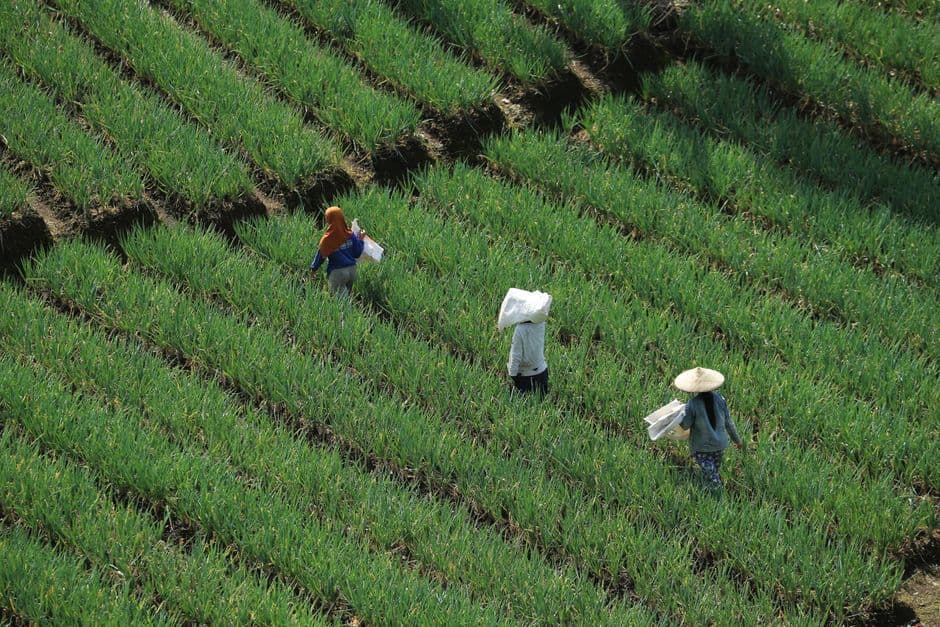
Index-Based Insurance Explained: How Satellites Decide When Farmers Get Paid
Quick answer
Satellites and weather stations measure conditions like rainfall, temperature, and vegetation health in your farming area. When these measurements cross a set threshold (like rainfall dropping below 200mm during the growing season), payouts are triggered automatically. No assessor visits your farm. The system uses satellite imagery to track crop health and weather stations to record rainfall, making payouts fast and objective.
Picture this: You're a maize farmer in Nakuru, and the long rains have failed again. Your crop is struggling, your income is at risk, and you're wondering when the insurance assessor will come to verify your loss. But what if I told you there's a type of insurance that doesn't need anyone to visit your farm at all? Instead, satellites in space and weather stations on the ground decide when you get paid.
Sounds like science fiction? It's not. It's called index-based insurance, and it's changing how Kenyan farmers protect themselves against drought, floods, and unpredictable weather. Let me break down exactly how it works — and why it might be the smartest way to protect your farm.
What Is Index-Based Insurance?
Traditional crop insurance works like this: something goes wrong on your farm, you file a claim, an assessor visits to verify the damage, and then — if everything checks out — you eventually get paid. The process can take weeks or even months.
Index-based insurance is completely different. Instead of assessing your individual farm, it uses an "index" — a measurable trigger like rainfall levels, temperature, or vegetation health — to automatically determine when payouts happen. When the index shows that conditions in your area have crossed a certain threshold (say, rainfall drops below 200mm during the growing season), everyone covered in that zone receives a payout. No assessor needed. No lengthy claims process. Just automatic payment.
Think of it like this: instead of waiting for someone to come and confirm that yes, your maize has dried up because of drought, the insurance "knows" there was a drought because satellites and weather stations recorded it. The payout is triggered by data, not by individual farm inspections.
How Do Satellites and Weather Stations Come Into It?
This is where technology does the heavy lifting. Index-based insurance relies on two main sources of data:
Weather stations: These are physical stations scattered across farming regions that measure rainfall, temperature, humidity, and other weather conditions in real-time. If you're covered under a rainfall index policy and the weather station nearest to your farm records less than the agreed amount of rain during the critical growing period, a payout is triggered.
Satellite imagery: Satellites orbiting Earth can measure vegetation health using something called NDVI (Normalized Difference Vegetation Index). Don't worry about the technical name — all it means is that satellites can "see" whether crops are green and healthy or brown and stressed. If satellite images show that vegetation in your area has deteriorated beyond a certain point, payouts are triggered automatically.
The beauty of this system is speed and transparency. There's no waiting for an assessor to schedule a visit, no disputes about whether your loss qualifies, and no paperwork nightmares. The data is objective, and the payout is automatic.
What Are the Benefits for Kenyan Farmers?
Faster payouts: Because there's no need for individual farm assessments, you can receive your money within days or weeks of the trigger event — right when you need it most to buy seeds for replanting or cover household expenses.
Lower costs: Traditional crop insurance requires insurers to send assessors to every farm that files a claim. That's expensive, and those costs get passed on to you in higher premiums. Index-based insurance cuts out that expense, making cover more affordable.
No disputes: With traditional insurance, there can be disagreements about whether the damage was severe enough to qualify for a payout. With index-based cover, the trigger is clear and objective. Either the index threshold was crossed or it wasn't.
Coverage for hard-to-reach areas: If your farm is in a remote area where assessors rarely go, traditional insurance might not even be available to you. Index-based insurance works anywhere there's weather data or satellite coverage — which is basically everywhere.
Are There Any Downsides?
Like any insurance product, index-based cover isn't perfect. The main challenge is something called "basis risk." This is insurance jargon for the gap between what the index measures and what actually happens on your specific farm.
Here's an example: Let's say you farm in Kitale, and the weather station is 15 kilometres away. The station records adequate rainfall, so no payout is triggered. But your farm sits in a microclimate that received much less rain, and your crop failed. Because the index didn't cross the threshold, you won't get paid — even though you suffered a real loss.
The reverse can also happen: the index triggers a payout because overall conditions were poor, but your farm happened to do okay. You'd still receive money (which is nice, but it means the insurance isn't perfectly targeted).
This is why it's so important to understand exactly how the index works, where the measurement points are, and what thresholds trigger payouts. Different insurance providers structure their index products differently — some use rainfall, others use satellite vegetation data, and some combine multiple indices. The terms, triggers, and coverage zones vary significantly across the market.
This is where working with an independent broker like Vike Insurance makes a real difference. We compare index-based products from across the market, help you understand which index best matches your farm's actual risks, and find cover that fits your location and crops. Because we're not tied to any single insurer, we can honestly tell you which product offers the best protection for your specific situation.
Is Index-Based Insurance Right for Your Farm?
Index-based insurance works best when:
- Your main risk is weather-related (drought, excess rainfall, frost)
- You farm in an area with reliable weather data or good satellite coverage
- You want fast, hassle-free payouts without waiting for assessors
- You're looking for affordable cover that protects your income
It may be less suitable if your risks are very localised or if you need cover for things the index can't measure (like pest damage or disease outbreaks that aren't linked to weather).
The good news? You don't have to figure this out alone. At Vike Insurance, we specialise in understanding the Kenyan agricultural market and the unique challenges our farmers face. We know which products are available, how they're structured, and — most importantly — which ones actually deliver when you need them.
Making the Right Choice for Your Farm
Index-based insurance represents a genuine innovation in agricultural cover, but like any financial product, it's not one-size-fits-all. The key is matching the right product to your farm's location, crops, and risk profile — and that requires comparing what's available across the entire market.
That's exactly what we do at Vike Insurance. We're not here to sell you a specific insurer's product. We're here to compare the whole market on your behalf, explain your options in plain language, and help you make a confident, informed decision.
Whether index-based insurance is right for you depends on your unique circumstances — and we're here to help you figure that out.
Ready to protect your farm with the right cover? Get in touch with the team at Vike Insurance for a free, no-obligation consultation. We'll compare the market, explain your options clearly, and find the cover that works best for your farm and budget. Let's make sure you're protected when the rains fail — or when they don't come at all.
Share this article
See your specialist cover options
Talk to a broker about cover built for your specific risk.
Start Free Quote →Frequently asked questions
What is basis risk in index-based insurance
How fast do index-based insurance payouts happen
Why is index-based insurance cheaper than traditional crop insurance
What does NDVI mean in satellite insurance
Can I get index-based insurance in remote farming areas
Related Content
 specialist cover
How Agricultural Insurance Can Protect Your Irrigation Equipment and Keep Your Farm Productive
Read → specialist cover
How to Insure Farm Machinery Shared Between Neighbouring Farmers in Kenya
Read → specialist cover