
What to Do at the Scene of an Accident in Kenya: A New Driver's Guide
Quick answer
Check for injuries and call 999 if needed. Turn on hazard lights, place a warning triangle 45 metres behind your car, and move vehicles to the side if safe. Call the police to get an accident report. Exchange details with the other driver, take photos of all damage and the scene, get witness contacts, and report to your insurer or broker within 24 hours. Don't admit fault at the scene.
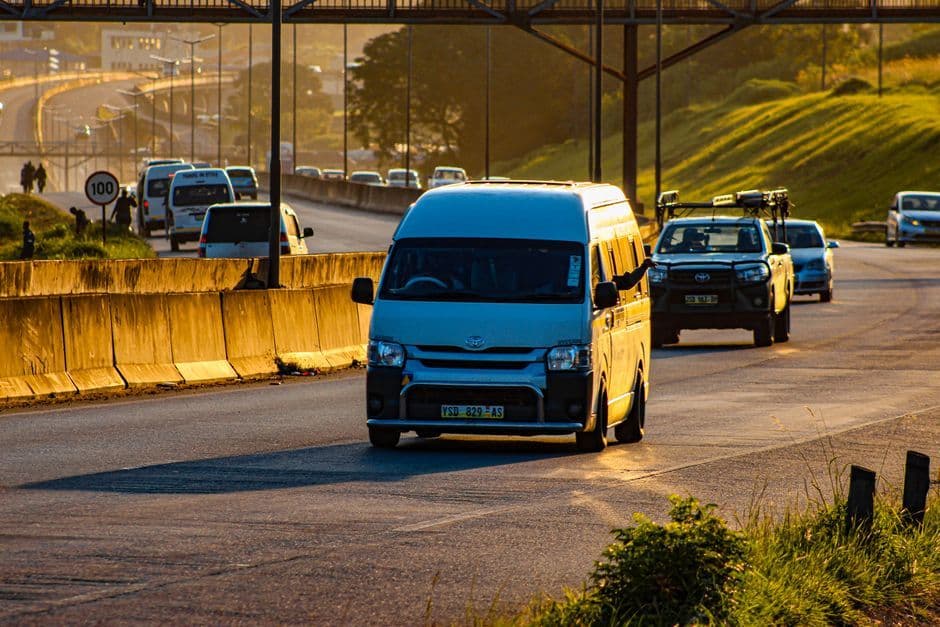
Picture this: You're driving along Mombasa Road on a Tuesday morning, heading to work. Traffic slows suddenly, you brake — but the matatu behind you doesn't stop in time. Bang. You've just been in your first accident.
Your heart is racing. Your hands are shaking. What do you do next?
If you're a new driver in Kenya, the thought of being in an accident can be terrifying — not just because of the potential damage or injury, but because you genuinely don't know what you're supposed to do. Should you move the car? Call the police? Take photos? And what about your insurance — how do you make sure your claim doesn't get rejected?
Let's walk through exactly what happens at the scene of an accident and the critical steps you need to take to protect yourself, your passengers, and your insurance claim.
Step 1: Safety First — Check for Injuries and Secure the Scene
The very first thing to do is check if anyone is injured — yourself, your passengers, and people in the other vehicle. If anyone is hurt, call an ambulance immediately (dial 999 or your insurer's emergency line if they provide one).
If the accident is minor and there are no injuries, your next priority is to make the scene safe:
- Turn on your hazard lights
- If you have a warning triangle, place it at least 45 metres behind your vehicle to warn oncoming traffic
- If the accident is blocking traffic and the vehicles can be moved safely, shift them to the side of the road
Many drivers panic and leave their cars in the middle of the road, creating a bigger hazard. If the cars are drivable and there are no serious injuries, it's safer to move them — just make sure you take photos first (we'll get to that).
Step 2: Call the Police (Yes, Really)
In Kenya, you're legally required to report any accident to the police, especially if there's injury, significant damage, or a dispute about who's at fault. Call the nearest police station or traffic police and report the accident.
Here's why this matters for your insurance: Most insurance providers require a police abstract (also called an accident report or OB number) before they'll process your claim. This is an official police document that records the details of the accident — where it happened, who was involved, and the officer's initial assessment.
Without this document, your insurer may reject your claim, even if you have comprehensive cover. So even if the other driver says, "Let's just sort this out between ourselves," insist on getting the police involved. It protects you.
Step 3: Exchange Information with the Other Driver
While you're waiting for the police, exchange details with the other driver. You'll need:
- Their full name and contact number
- Their vehicle registration number
- Their insurance company name and policy number (it should be on their insurance sticker)
- Their ID number or driver's licence number
Give them your details too — but here's a tip: don't discuss who's at fault. Don't apologise or say things like "Sorry, I didn't see you." Even a polite apology can be used against you later to prove liability. Just exchange information calmly and factually.
Step 4: Document Everything — Photos Are Your Best Friend
This is the step many new drivers forget, and it costs them later. Use your phone to take clear photos of:
- Damage to all vehicles involved (take wide shots and close-ups)
- The position of the vehicles on the road
- Skid marks, debris, or broken glass
- Road signs, traffic lights, or any road conditions that contributed to the accident
- The other vehicle's number plate and insurance sticker
- Any witnesses who stopped to help
These photos are evidence. If there's a dispute about what happened, or if the other driver changes their story later, your photos will back you up. Different insurance providers have different claims processes, but all of them appreciate solid documentation — it speeds up your claim and reduces the chance of rejection.
Step 5: Get Witness Details (If Possible)
If there were witnesses — maybe a boda boda rider, a pedestrian, or another driver who saw what happened — politely ask for their name and phone number. Witnesses can be crucial if the other driver disputes the facts or if your claim goes to an assessor for investigation.
Step 6: Report the Accident to Your Insurance Broker or Insurer — Fast
Most insurance policies require you to report an accident within 24 hours. Some give you up to 48 hours, but the sooner, the better.
If you bought your cover directly from an insurer, you'll need to call their claims hotline yourself and navigate their process. But if you're working with an independent broker like Vike Insurance, this is where that relationship really pays off. You call your broker, explain what happened, and they guide you through the next steps — liaising with the insurer on your behalf, making sure you submit the right documents, and following up to ensure your claim is processed smoothly.
This is one of the biggest advantages of working with a broker: you're not alone in the claims process. Your broker is on your side, not the insurer's, and they'll fight to make sure you get the payout or repairs you're entitled to.
Step 7: Don't Admit Fault or Agree to Anything on the Spot
Even if you think the accident was your fault, don't admit it at the scene. Let the police and the insurance assessors investigate and determine liability. Insurance claims can be complex — sometimes what looks like your fault turns out to be shared liability, or even the other driver's fault, once all the facts are reviewed.
Also, don't agree to pay the other driver cash to "settle things quietly." You might think you're avoiding a claim, but if they later report the accident and claim against your insurance, you'll have no record of what was agreed — and you could end up paying twice.
What Happens After You Leave the Scene?
Once you've reported the accident to the police and your insurer (or broker), the claims process begins:
- Assessment: The insurer will send an assessor to inspect the damage and estimate repair costs.
- Police abstract: You'll collect this from the police station (usually after a few days) and submit it to your insurer.
- Claim decision: Based on the evidence, the insurer will approve or reject your claim. If approved, they'll either pay for repairs at an approved garage or compensate you, depending on your policy type.
Different providers offer varying levels of claims support, turnaround times, and approved garages. This is where working with an independent broker like Vike Insurance makes a real difference — we compare policies across the market so you get cover that not only fits your budget but also offers strong claims support when you need it most.
Be Prepared, Not Scared
Accidents happen, even to the most careful drivers. But knowing what to do at the scene — staying calm, documenting everything, involving the police, and reporting quickly to your insurer or broker — can mean the difference between a smooth claim and a rejected one.
As a new driver, the best thing you can do is make sure you have the right motor insurance in place before you ever need it. Comprehensive cover, third-party cover, add-ons like personal accident cover — the options can be overwhelming, and different insurers structure their policies very differently.
That's exactly why Vike Insurance exists. We compare the whole market on your behalf, explain your options in plain language, and help you choose cover that truly protects you — not just ticks a legal box.
Ready to drive with confidence? Get in touch with the team at Vike Insurance for a free, no-obligation motor insurance quote. We'll compare policies across the market and find the cover that works best for you — and we'll be right there with you if you ever need to make a claim.
Share this article
Get a free motor insurance quote in 2 minutes
Compare quotes from Kenya’s top underwriters and find the best cover for your vehicle.
Start Free Quote →Frequently asked questions
Do I need to call the police for every car accident in Kenya?
What photos should I take after a car accident?
How quickly do I need to report an accident to my insurance company?
Should I apologise to the other driver after an accident?
What information do I need to exchange with the other driver after an accident?
Related Content
 motor insurance
What Does Comprehensive Motor Insurance Actually Cover in Kenya?
Read → motor insurance
How Third-Party Liability Works If You Cause an Accident in Kenya
Read → motor insurance