
What Does Medical Insurance Cover in Kenya? A Simple Guide for Families
Quick answer
Medical insurance in Kenya typically covers inpatient care (hospital admission, surgeries, diagnostic tests, medication, ambulance services, and maternity care) and outpatient care (GP visits, specialist consultations, prescription medication, dental and optical care, and physiotherapy). Coverage depends on your policy type, with comprehensive plans combining both inpatient and outpatient benefits, while basic plans may only cover inpatient treatment.
It's 2 a.m. on a Tuesday, and your child has a high fever that won't break. You rush to the nearest hospital, and as the doctor attends to your little one, a worry creeps in: "Will my insurance cover this? What about the tests? The medication?" If you've ever found yourself in this situation — or simply wondering what your medical cover actually pays for — you're not alone. Many Kenyan families hold medical insurance policies but aren't quite sure what's included until they need to make a claim.
Let's break it down in simple terms, so you know exactly what to expect from your medical insurance and how to choose cover that truly protects your family.
The Basics: What Is Medical Insurance?
Medical insurance (also called health insurance) helps you pay for healthcare costs. Instead of paying the full bill out of pocket when you or your family members fall ill or need medical attention, your insurer covers part or all of the cost — depending on your policy.
In Kenya, medical insurance typically falls into two main types:
Inpatient cover pays for treatment when you're admitted to hospital overnight or longer — think surgeries, serious illnesses, or conditions that need close monitoring.
Outpatient cover pays for treatment you receive without being admitted — like a visit to the doctor for flu, a dental check-up, or physiotherapy sessions.
Many families opt for comprehensive plans that combine both inpatient and outpatient benefits, while others start with inpatient-only cover to protect against major medical expenses.
What Does Inpatient Cover Typically Include?
When you're admitted to hospital, inpatient cover generally takes care of:
- Hospital bed and accommodation — whether in a general ward, semi-private, or private room, depending on your policy level
- Doctor's fees and specialist consultations during your stay
- Surgical procedures — from emergency operations to planned surgeries
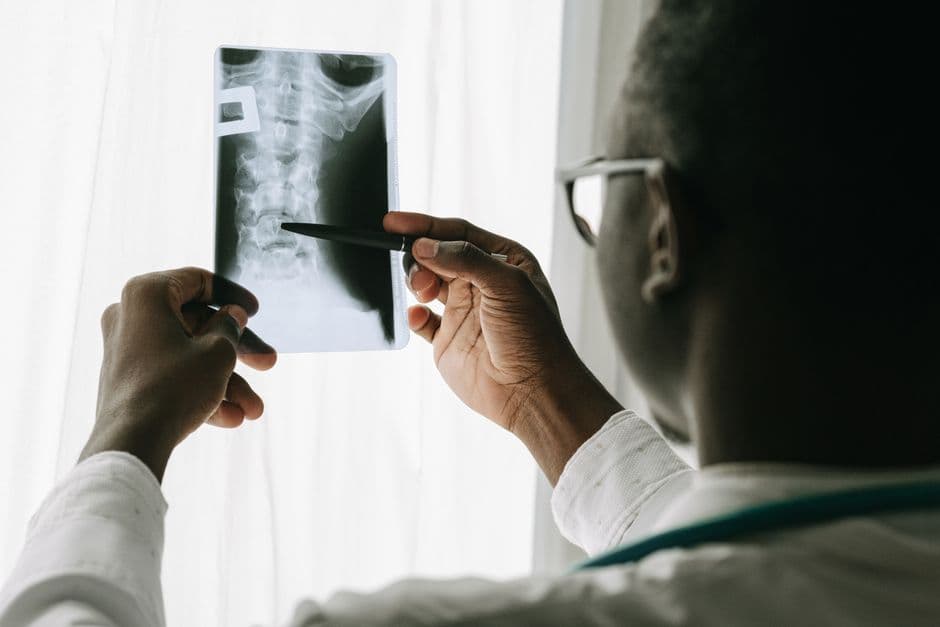
- Diagnostic tests like X-rays, blood tests, CT scans, and MRIs done while admitted
- Medication and treatment administered in hospital
- Ambulance services in case of emergencies
- Maternity care — including antenatal visits, delivery (normal or caesarean), and postnatal care (though waiting periods and limits often apply)
Different providers offer varying levels of cover, and the annual limit (the maximum amount your insurer will pay in a year) can range widely — from a few hundred thousand shillings to several million. This is where working with an independent broker like Vike Insurance makes a real difference: we compare policies across the market so you get the right cover at the best price, matched to your family's needs and budget.
What About Outpatient Cover?
Outpatient benefits cover the everyday medical needs that don't require hospital admission. Typical outpatient cover includes:
- General practitioner (GP) visits — your regular doctor consultations
- Specialist consultations — seeing an ENT specialist, dermatologist, paediatrician, etc.
- Diagnostic tests and scans done on an outpatient basis
- Prescription medication from the pharmacy
- Dental care — often basic treatments like fillings and extractions (major dental work may have limits)
- Optical care — eye tests and glasses or contact lenses (usually with annual limits)
- Physiotherapy and rehabilitation services
- Maternity outpatient visits in some comprehensive plans
Outpatient cover often comes with sub-limits — for example, your policy might cover up to Ksh 5,000 per visit or Ksh 50,000 per year for outpatient services. Understanding these limits is crucial, because once you hit them, you'll pay out of pocket for the rest of the year.
What's Usually NOT Covered?
It's equally important to know what most medical insurance policies in Kenya don't cover:
- Pre-existing conditions — illnesses or conditions you had before taking out the policy (though some insurers cover these after a waiting period, typically 12 months)
- Cosmetic procedures — unless medically necessary
- Self-inflicted injuries or injuries sustained while under the influence of alcohol or drugs
- Experimental or unproven treatments
- HIV/AIDS-related treatment in some older policies (though newer policies increasingly offer cover)
- Chronic disease management — some policies exclude or limit cover for conditions like diabetes or hypertension, while others include them with sub-limits
Every policy is different, and the fine print matters. This is exactly why Kenyan families benefit from working with a broker who can explain what's covered and what's not — in plain language, before you commit.
Special Considerations for Families
If you're choosing medical cover for your family, here are key factors to consider:
Maternity benefits: Does the policy cover maternity, and after what waiting period? What's the delivery limit? Some policies cover up to Ksh 100,000 for delivery, others go much higher.
Child cover: Are your children covered from birth, or is there a waiting period? What about vaccinations and routine paediatric care?
Chronic conditions: If anyone in your family has a condition like asthma, diabetes, or high blood pressure, check whether ongoing management is covered — and at what limit.
Hospital network: Can you visit any hospital, or are you limited to a specific network? Some policies let you choose freely; others require you to use panel hospitals to get full benefits.
How Vike Insurance Helps You Choose the Right Cover
The Kenyan insurance market offers dozens of medical insurance products, each with different benefits, limits, exclusions, and prices. Comparing them all on your own can be overwhelming — and it's easy to miss important details buried in policy documents.
As an independent broker, Vike Insurance isn't tied to any single insurer. We work for you, not them. We compare policies across the entire market, explain the differences in plain language, and help you find cover that fits your family's health needs and your budget. Whether you need basic inpatient protection or comprehensive family cover with maternity and outpatient benefits, we'll guide you to the right choice.
And if you ever need to make a claim, we're here to support you through the process — making sure you get the benefits you're entitled to, without the runaround.
Final Thoughts
Medical insurance is one of the most important financial decisions you'll make for your family. Understanding what's covered — and what's not — gives you confidence and peace of mind when health challenges arise.
Don't wait until you're in the emergency room to find out what your policy covers. Take the time now to review your options, ask questions, and choose cover that truly protects the people you love.
Ready to find the right medical cover for your family? Get in touch with the team at Vike Insurance for a free, no-obligation quote. We'll compare the market and find what works best for you — because your family's health deserves the right protection.
Share this article
Get a free health insurance quote in 2 minutes
Compare inpatient and outpatient plans from Kenya’s leading medical underwriters.
Start Free Quote →Frequently asked questions
Does medical insurance in Kenya cover maternity and delivery costs?
What is the difference between inpatient and outpatient medical cover?
Are pre-existing conditions covered by medical insurance in Kenya?
Does health insurance cover chronic diseases like diabetes in Kenya?
What medical expenses are not covered by insurance in Kenya?
Related Content
 health insurance
How to Use Your Health Insurance Card at a Hospital in Kenya: A Step-by-Step Guide
Read → health insurance
What Are Waiting Periods in Health Insurance and How Do They Affect You?
Read → health insurance